Footprints: The Story Behind the Documentary an Interview with Cornel Ozies
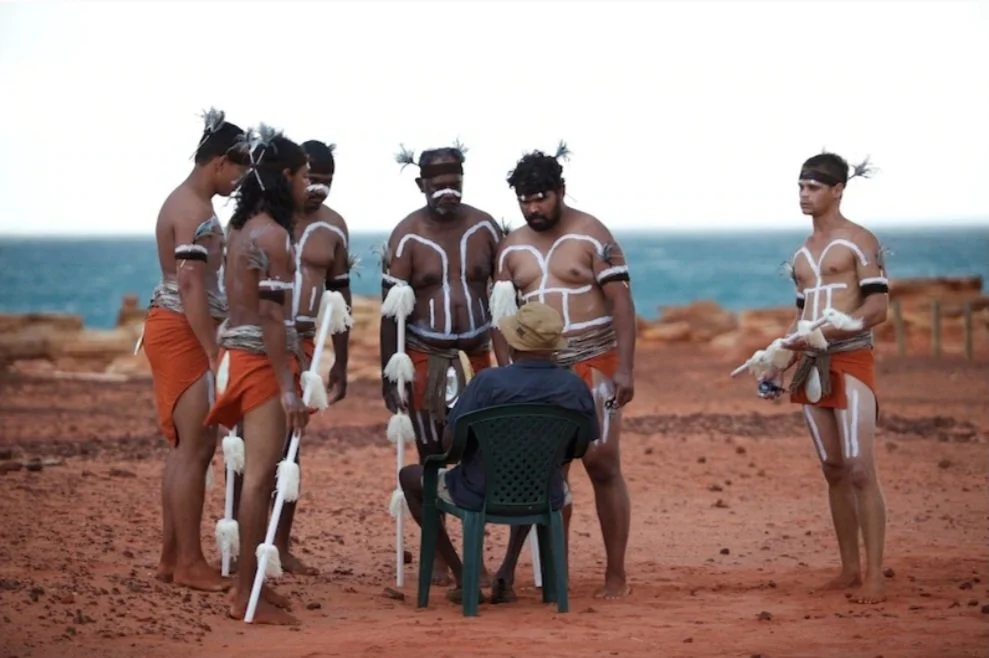
Source: Songlines on Screen Project
During the making of the Footprints documentary in 2015 some young members of the Djugun community in Western Australia worked to revive ancient songlines that had remained unperformed for over fifty years and were once believed to be lost forever. Through dedication and cultural heritage preservation efforts, they reconnected with their ancestral traditions to ensure these sacred songs live on for future generations. The Footprints short film, directed by Cornel Ozies, premiered and screened at the Sydney Film Festival in 2015.
Djugun man Cornel Ozies the Director of Footprints speaks in his own words with Djukun Nation’s Jaala Ozies about a short film broadcast on NITV as part of the Songlines on Screen series. The documentary was filmed in Jirrnginngan (Broome) Djukun Country and launched in 2015.
What inspired you to make Djugun Documentary Footprints, and why did you feel it was important to share this story through film?
“Through research I discovered old man Roy had some of our songs that hadn't been sung and danced for over 50 years. He was the last knowledge holder of those songs and dance. So the importance of capturing before he passed was time critical”.
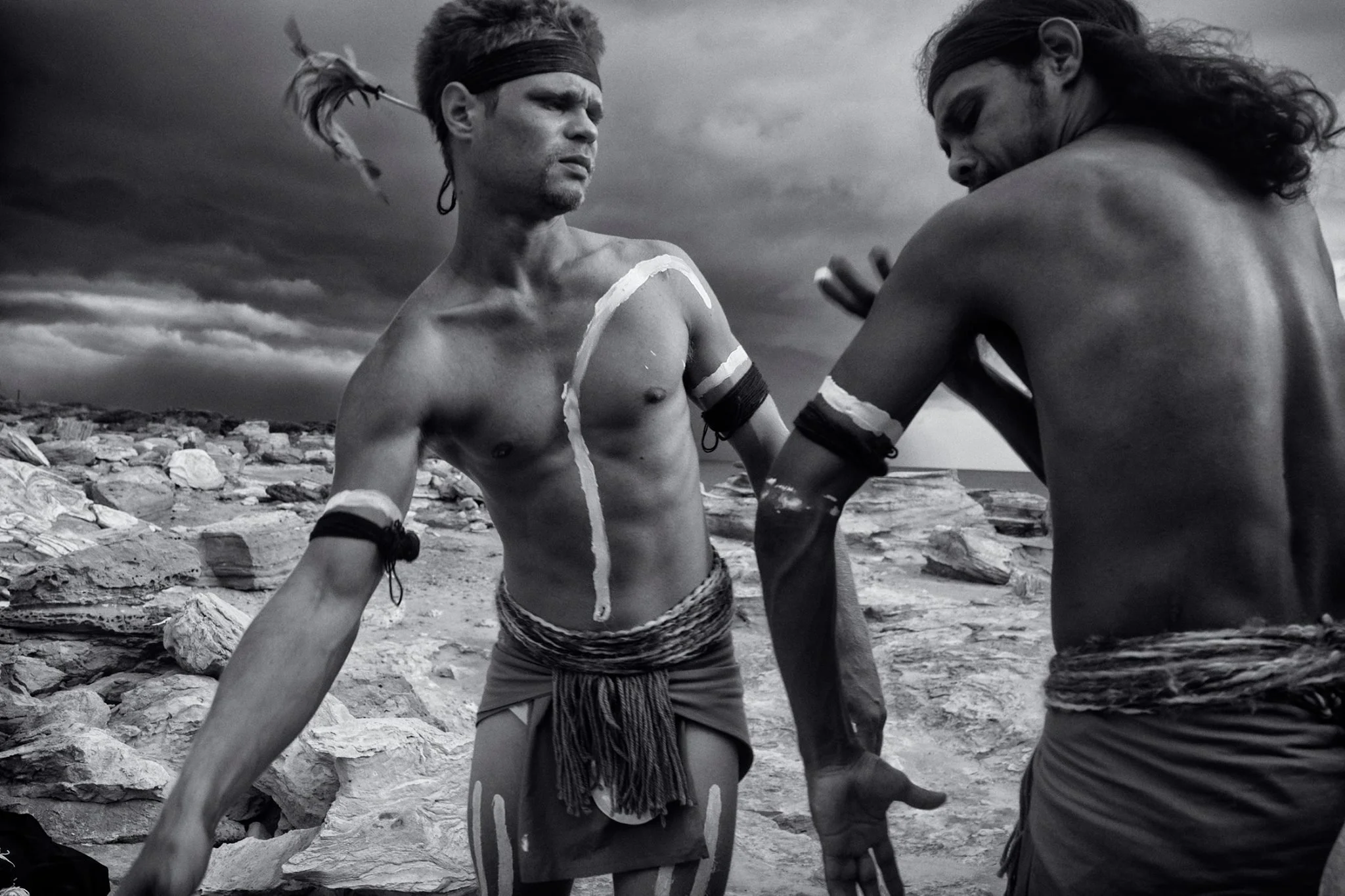
Source: Songlines on Screen Project
Can you describe the process of creating the documentary, particularly how you worked with community members, Elders, and cultural knowledge to bring the story to the screen?
“My first thought was to drag as much uncles, nephews and brothers to be involved as possible otherwise, I'd fall into the trap of being the only one knowing the songs like old man Roy. We practice under the watchful eye of that Oldman. We tried to hold family gathering to get people involved with the process of filming as well”.
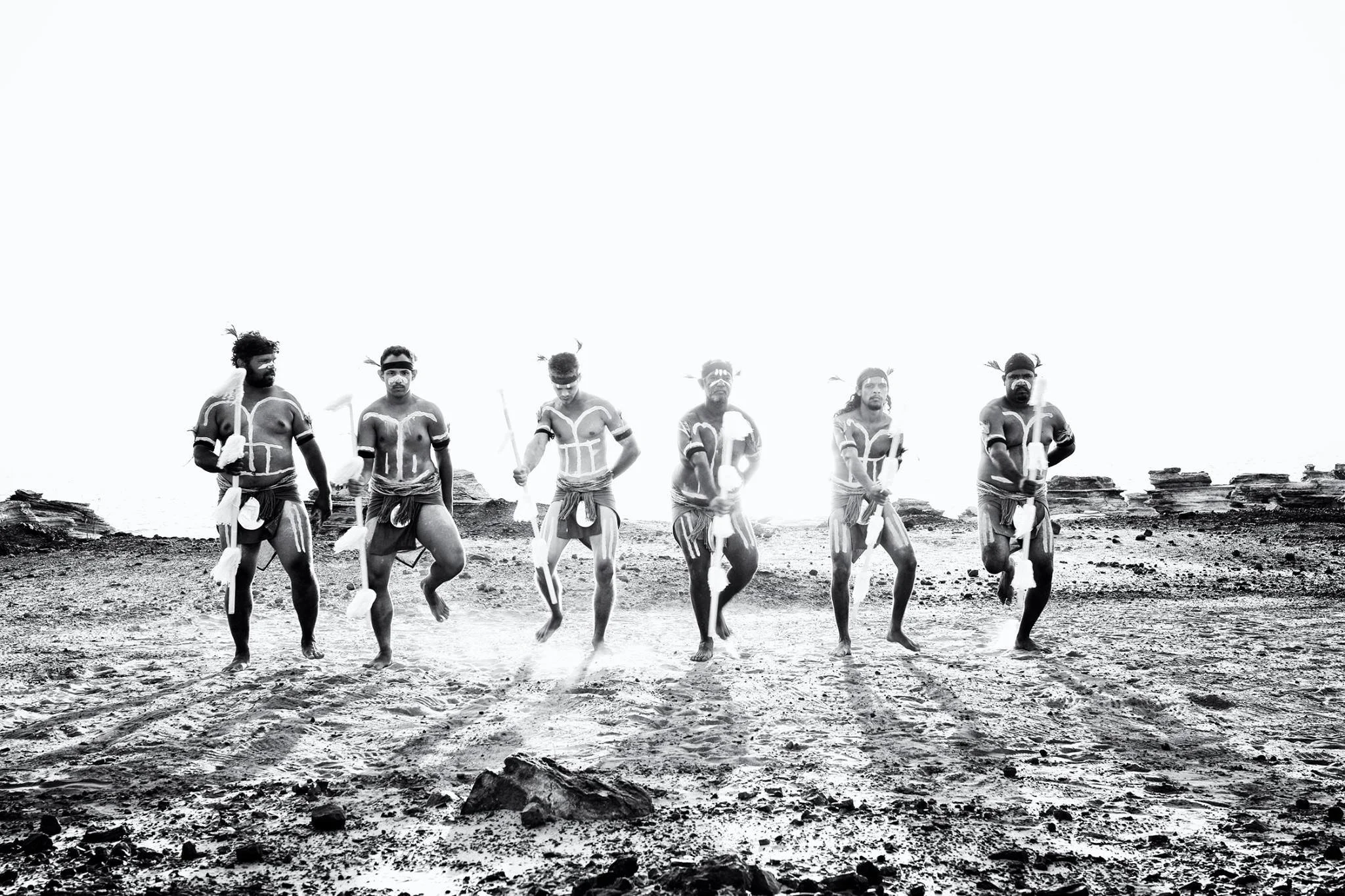
Source: Songlines on Screen Project
What were some of the challenges and rewards you experienced during the production of the film, and what did you learn from the journey?
“One of the most challenging part was to get the fellas motivated to turn up and practice the dances. We had about seven to eight dances we learnt, but only one was able to be shown publicly. Old man Wiggan's health was not in a good way, so practice time were when he had energy, so times were a bit random and to find time that the boy’s had time was hard to juggle. One of the biggest reward of the whole process is that we danced at Parliament House in Canberra and also we now have our songs and dance documented for next gen”.
DISCLOSURE: THIS ARTICLE HAS BEEN REPUBLISHED FROM THE DJUGUN WE SPEAK FOR OUR COUNTRY BY JAALA OZIES ISBN: 9780646747552
-ENDS-
